
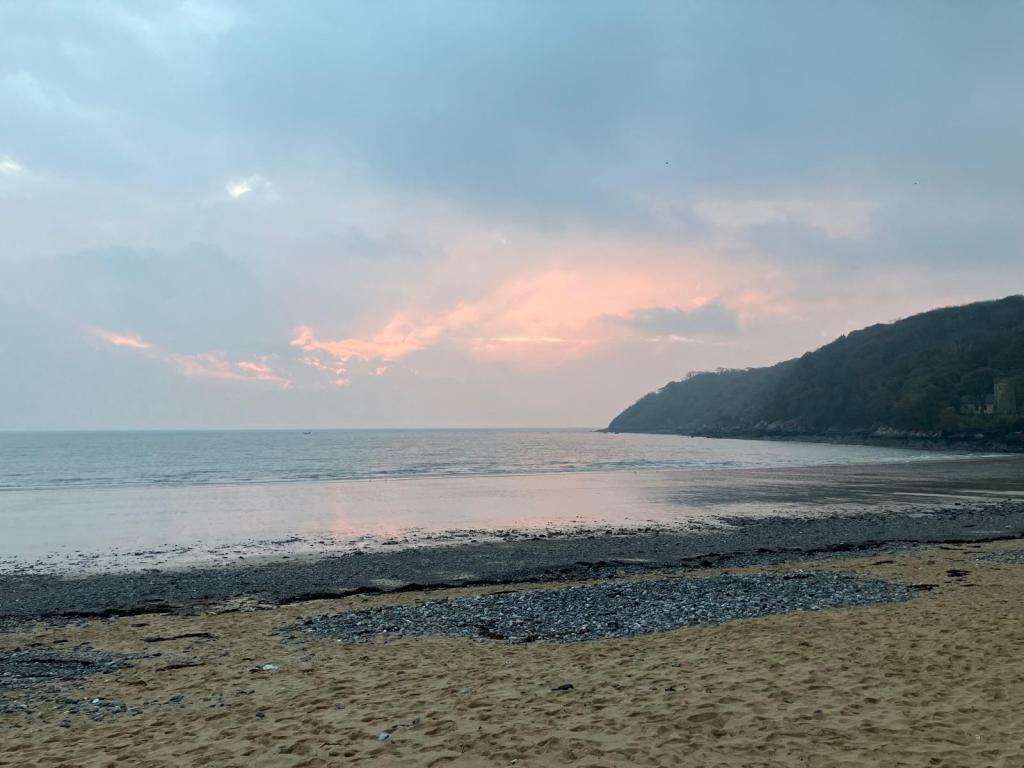
On a glorious November Saturday, I took part in the spectacular Endurance Life Gower ultra. The start line atmosphere was fun, the event felt very well-organised and the course was clearly marked – it’s one I’d thoroughly recommend.
Unfortunately, it didn’t go my way on the day, no matter how right the conditions. I DNFed at 28 miles out of 34 (having covered 3,576 ft of elevation out of the prescribed 3,874). Overall, I was happy enough – if disappointed. I performed well for the sections I ran before I ended up walking the last six miles.
It wasn’t a surprise. I’d been recovering from a right glute / quad / knee injury so had reduced my mileage in the six weeks leading up to the event. And on the day I could feel my body pushing back to protect itself.
A reality check
I’d fallen into the trap of thinking my innate fitness built over the years would see me through, but I’m getting older and that wasn’t enough (regardless of the injury). The strength training I introduced last year into my weekly schedule saved the day, but I learned the hard way: there are no short cuts and no substitutes for time on your feet.
So, a reset is required. I need to work harder and smarter! Harder in terms of getting back to more miles; smarter in terms of listening to my body. I should have waited until I was properly recovered before entering an event. And I need to be trail-running specific in my training, specifically with my leg strength. So, I will introduce single leg squats into my routine.
Resetting training habits with AI
Back in September, my physio diagnosed the root cause of my leg injury to be overtight muscles on my right side, which I had never properly stretched and conditioned following my right hip replacement in June 2021. Since then, I have dedicated more time for dynamic stretching most mornings, focusing on hips and glutes. I already feel so much freer in my range of movement.
I have also taken a cue from a good friend of mine (who’s an elite ultrarunner) to link my Strava to ChatGPT. So far, it is proving excellent as an AI coach. In many ways it is reminding me of things I already know, but I am the world’s worst at sticking to a routine and I think this will keep me grounded and open to other input. For example, allowing more recovery time.
I gave ChatGPT my Gower event data, my historical Strava data (since I joined in 2016), plus the subjective strengths and weaknesses of my running over the summer and autumn. I also entered my running goals for the first half of 2027 and have set up a weekly Sunday check-in to review what I have done in the week versus the planned schedule, plus how I feel and what was good or bad. So far so good; only time will tell.
Gearing up for the next event
I need to complete an officially timed ultra to qualify for Centurion’s SDW50 in April so I’ll take part in Pegasus Ultra’s WYVUM 30 in early March. Proof of the pudding will be in the eating!
Happy running folks, take care,
–Andy


